

About the Orbex thing
Space + Orbex
There’s a lot of space news happening at the moment, and I while I think other outlets are better equipped at covering these, the unfortunate story of the end of Orbex hits close to home.
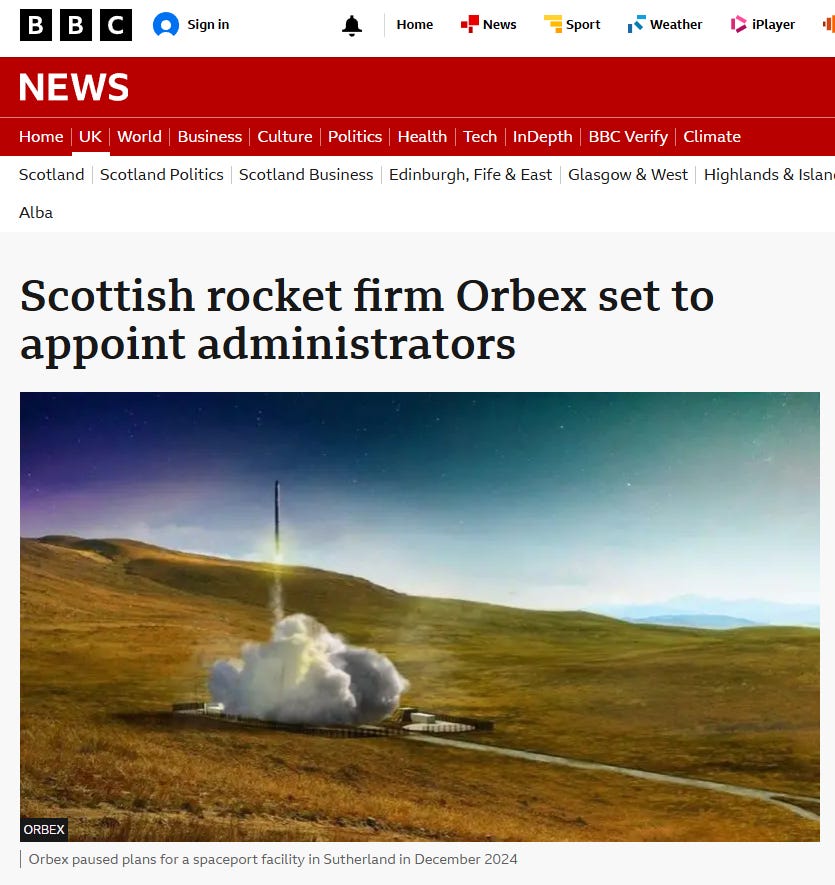
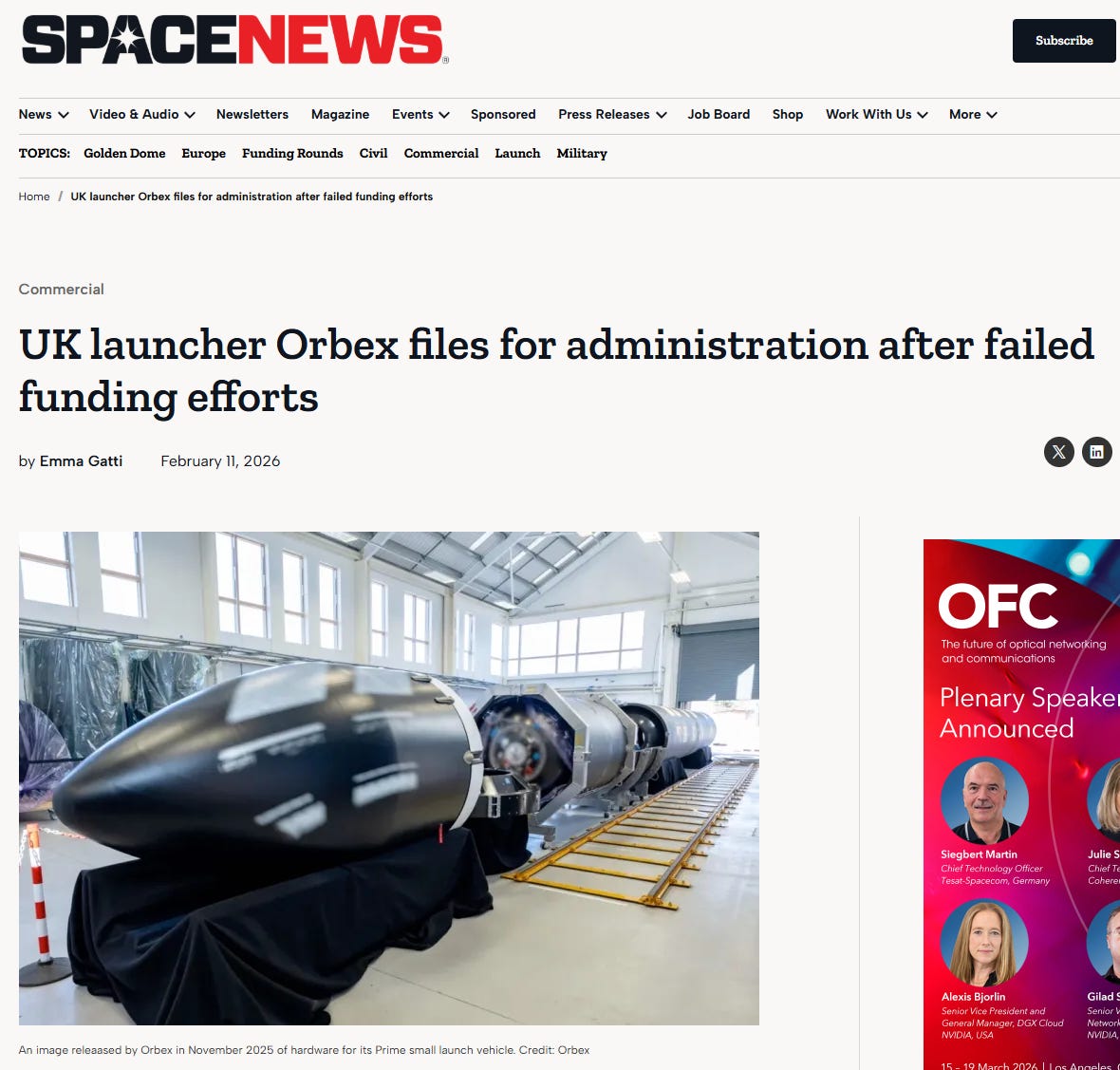
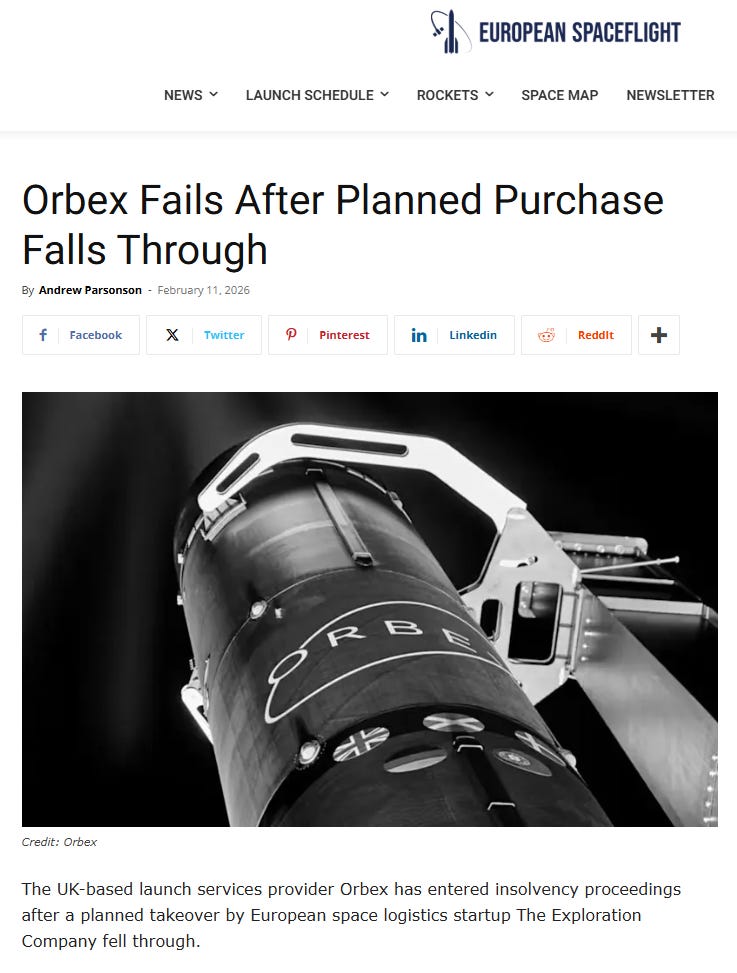
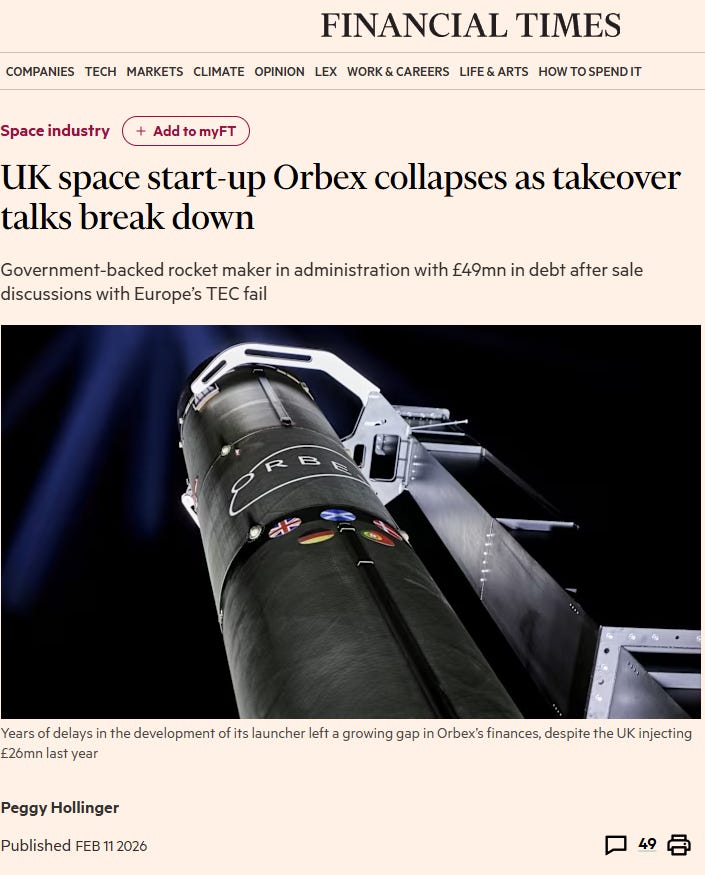
In some ways, it’s not a surprising story, but Scotland’s space sector is small enough that things like this still have a large impact. And Orbex has been central to my own journey into this industry, as evidenced by the very first post on this Substack.
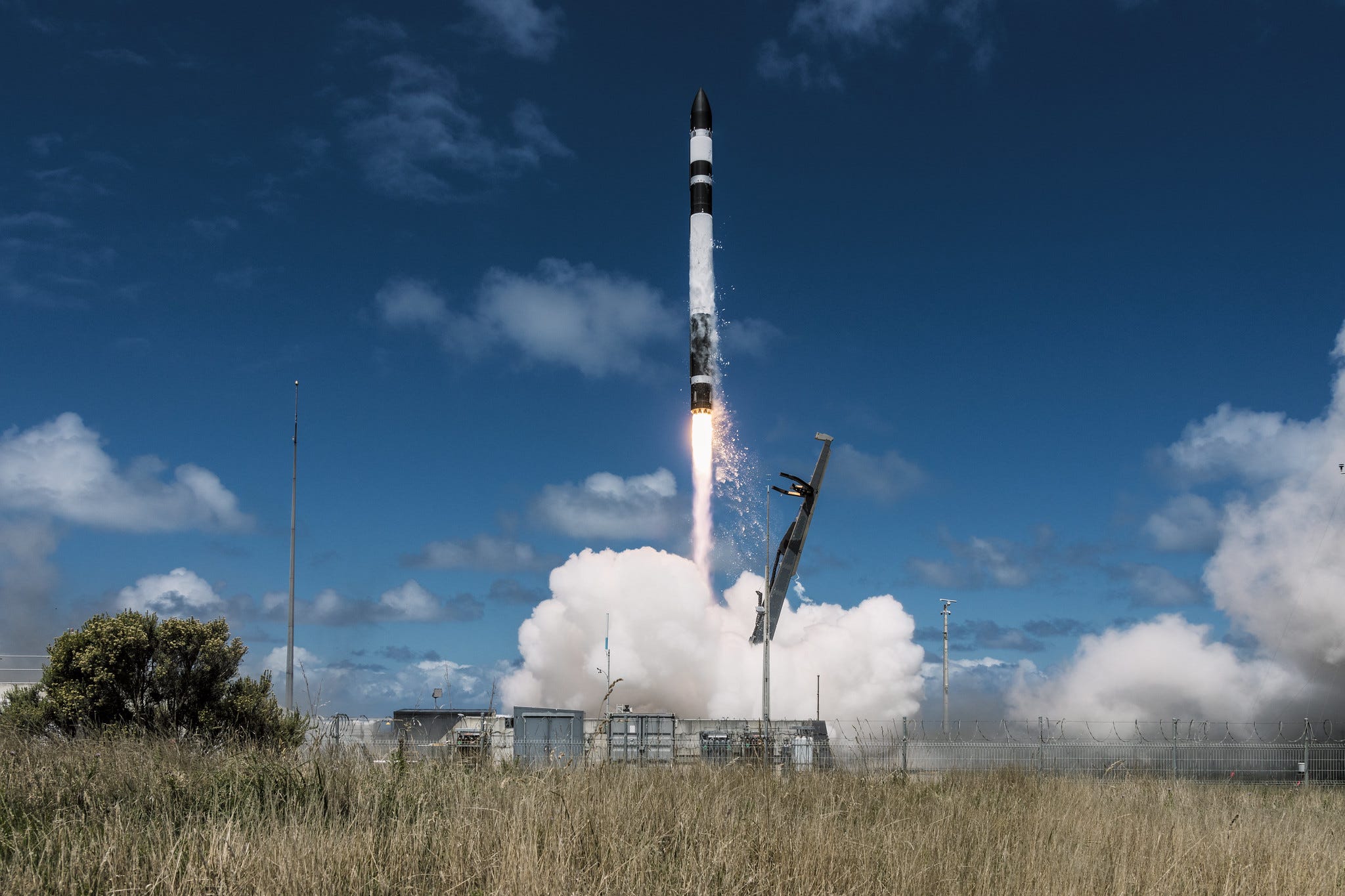
With big shifts in the geopolitical sphere, and the rising commercialisation of space, Europe has been looking at ways to get to orbit that don’t rely on the US, Russia or China, the only real players in town. The European Space Agency (ESA) does have its own spaceport and launcher – this is the Ariane rocket that launches from French Guiana – but these are large and expensive. So, buoyed by the success of SpaceX and Rocket Lab, a number of small companies across the continent have had a crack at building smaller, lighter launch vehicles that can deliver payloads of mini satellites into orbit.
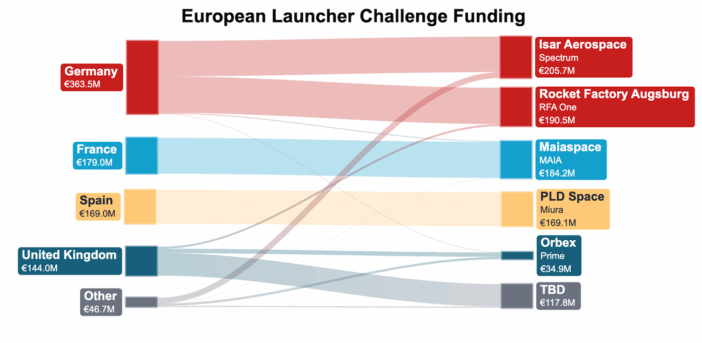
Scotland and Denmark-based Orbex was one of them, and was even selected by ESA as a finalist in its European Launcher Challenge. This should’ve brought with it a renewed confidence in the company’s efforts (despite having not actually launched anything yet) as well as a bunch of funding via the UK Space Agency (UKSA).
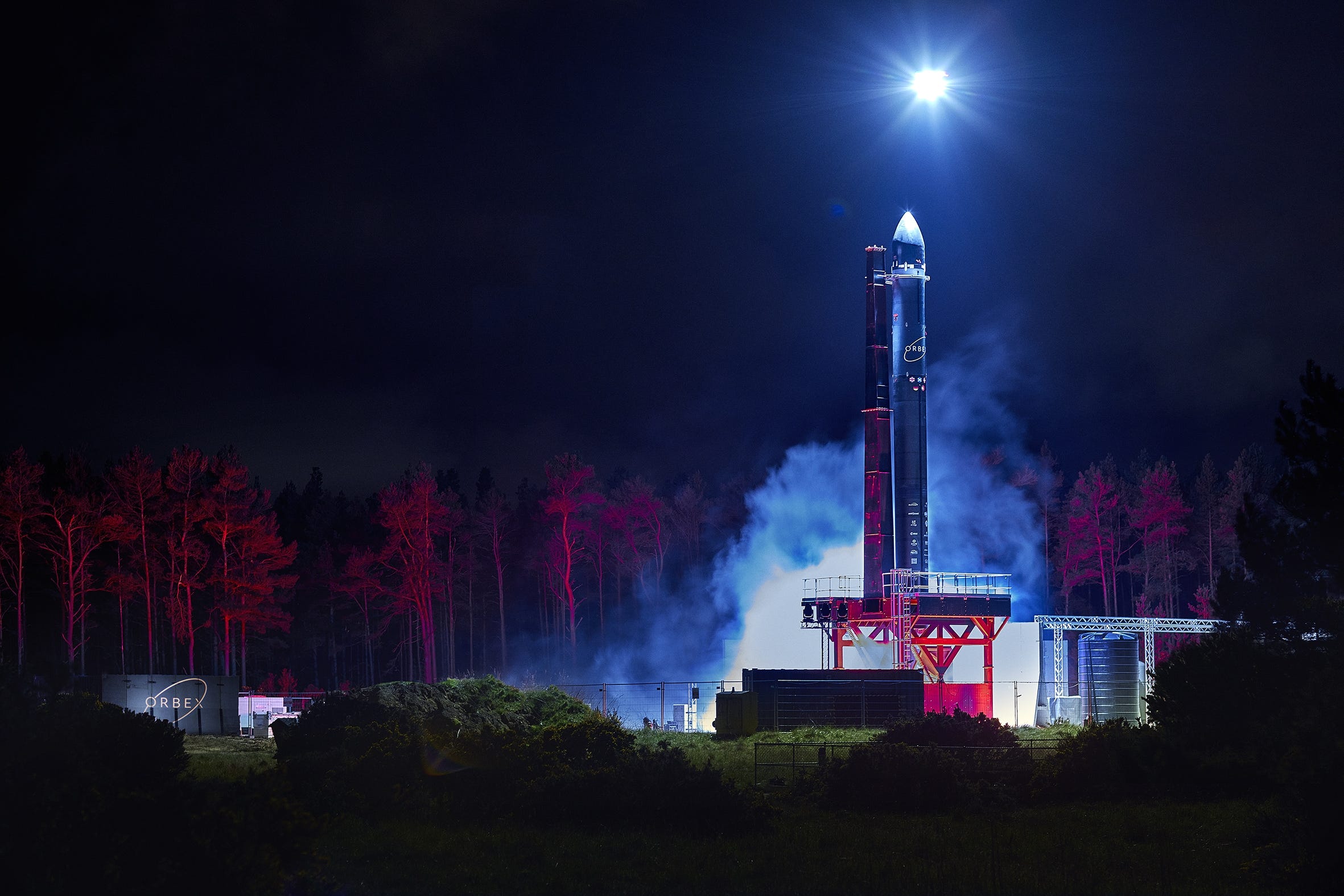
But that never happened, with UKSA choosing not to allocate the bulk of their funding yet. It seems that this is ultimately what led to their recent demise. So, what do they know about Orbex that we don’t? Did something spook them into thinking they were throwing good money after bad? Or is it simply that the appetite for spending millions of taxpayer pounds on a really difficult engineering feat has been lost under the current UK administration?
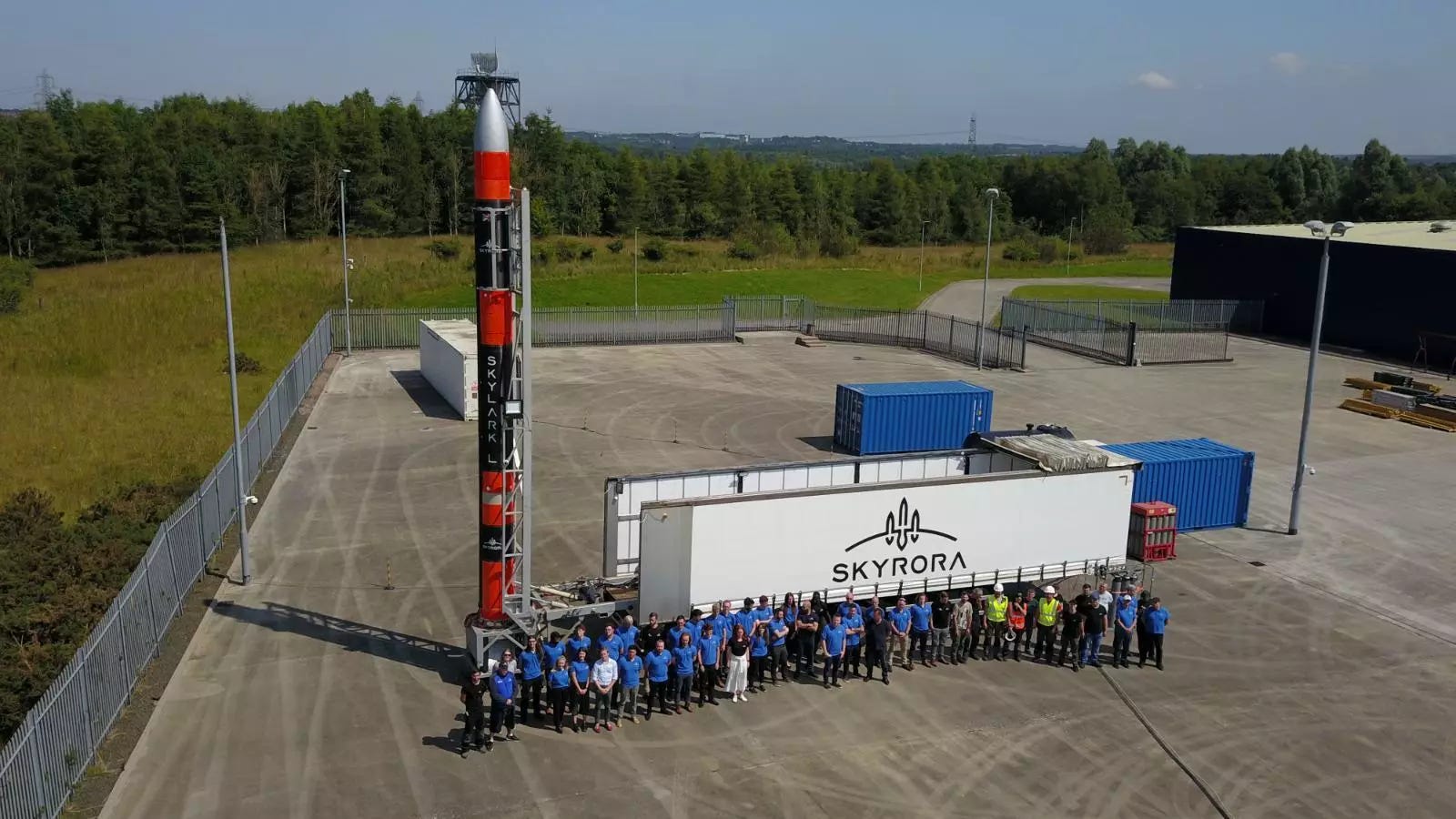
To be clear, SpaceX, probably the best known launch company, has also been funded by government money to the tune of millions. When people say “space is hard”, that means it’s also dangerous, time-consuming and costly. So being funded by government grants while you’re still getting off the ground (literally) is still the norm. But what it means for the UK’s wider ambitions to play a role in space remains to be seen. Indeed, the UKSA is being folded into the Department for Science, Innovation & Technology, and so there may be less interest in supporting launch, for example, and more emphasis on satellite manufacture, or downstream data application. There are also other launch companies that may seem more viable – all eyes are now on Skyrora, who have built their own rocket, and received a licence to fly from SaxaVord. Will they be able to do what Orbex couldn’t?
This is all total speculation from me – I’m still new to this, and as you can see, have more questions than answers currently. I feel for the people who have just lost their jobs, and I’d like to know, as a taxpayer, about the decisions being made on my behalf here (and not just when it comes to space, obviously – we should be curious about all public spending).
There were some promising innovations coming from Orbex, and it seemed they were taking the topic of space sustainability seriously, with a special ultra-low carbon fuel developed to power their reusable rockets from a carbon-neutral spaceport. It would’ve been good to see this come to fruition. Since the failure of the UK’s first commercial launch attempt back in 2023 with Virgin Orbit, there’s not been a long list of wins in this area. But as Daniel Smith, Founder of AstroAgency and Fire Arrow, and Scottish Government Trade and Investment Envoy For Space, likes to remind people, launch is only the loudest and most visible part of a thriving space supply chain in Scotland. I asked him for a comment on this story for Space+ and he had this to say:
“The Orbex news is a sad reminder that building a launch company is exceptionally difficult, and the team deserves recognition for the role they played in advancing UK launch ambitions.
Scotland’s space sector nevertheless remains in a uniquely strong position. It is still on track to become the only place in Europe able to offer a full small-satellite value chain proposition. The continuing work around launch will provide the missing piece of the jigsaw, as Scotland already manufactures more small satellites than anywhere else in Europe and is supported by a deep supply chain of subsystems and components. Beyond launch and spaceports, there is also a thriving space data economy, with around 30 companies spanning Earth observation; position, navigation and timing; ground stations; and specialist services delivering essential insights for business, the environment and the wider economy back on Earth.
– Daniel Smith
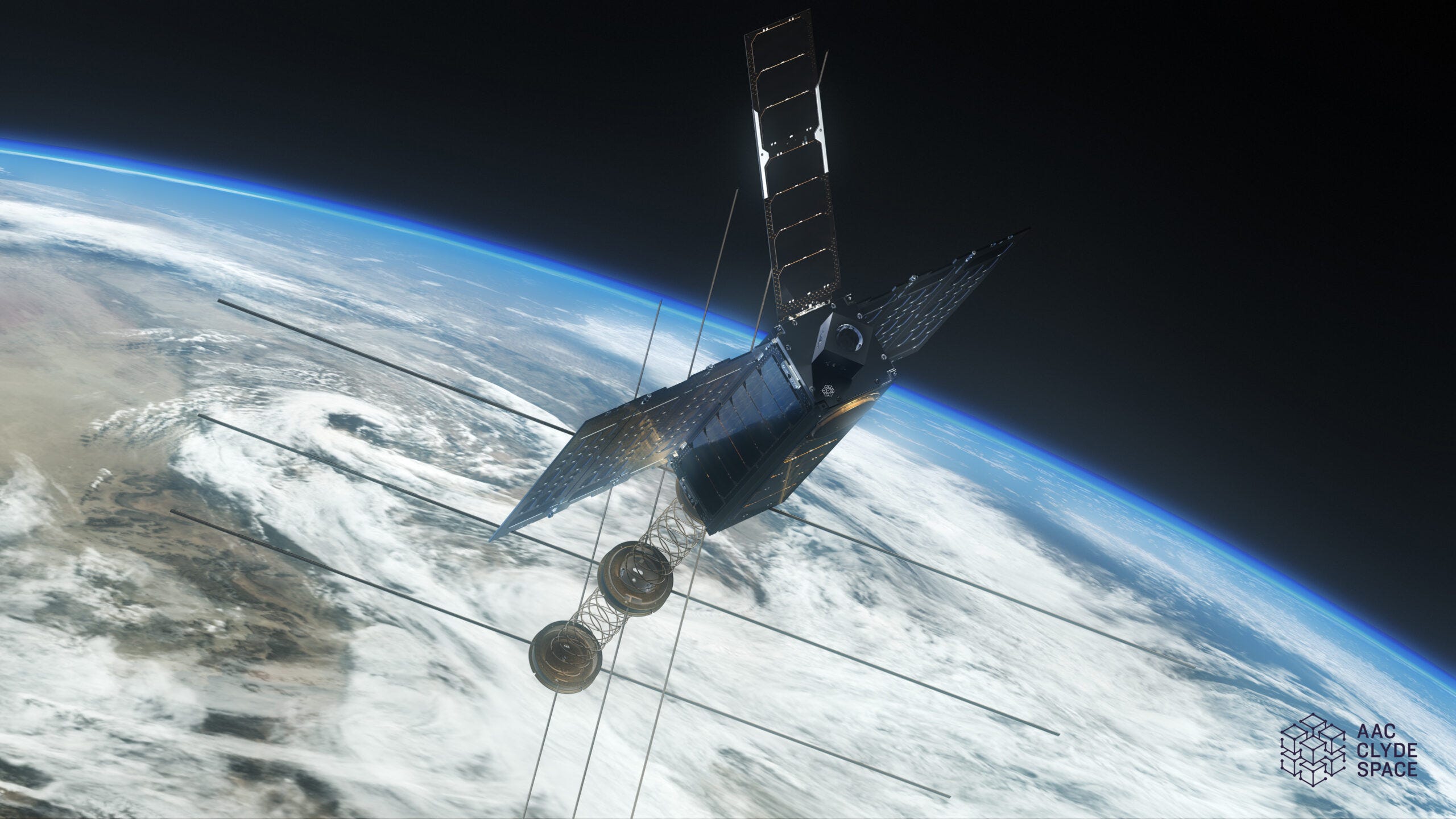
But if you’re still hung up on launch in particular, and able to drop a narrow, nationalistic view of these things, we could all be rallying behind Rocket Factory Augsburg, the German company most likely to actually deliver Scotland the title of hosting the first successful orbital launch from Western Europe (although they better hurry, because the Norwegians seem likely contenders for this if Isar Aerospace get their way).
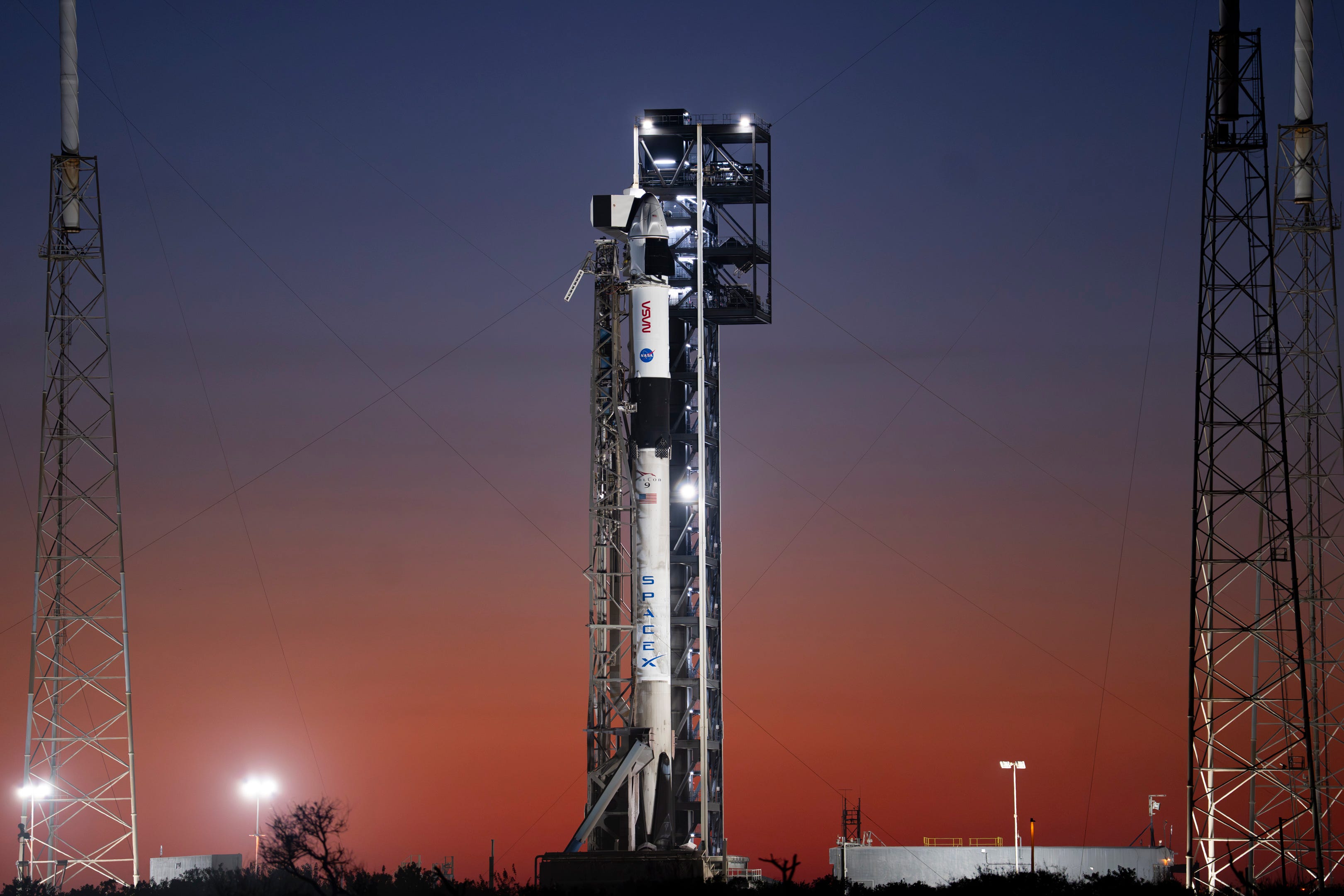
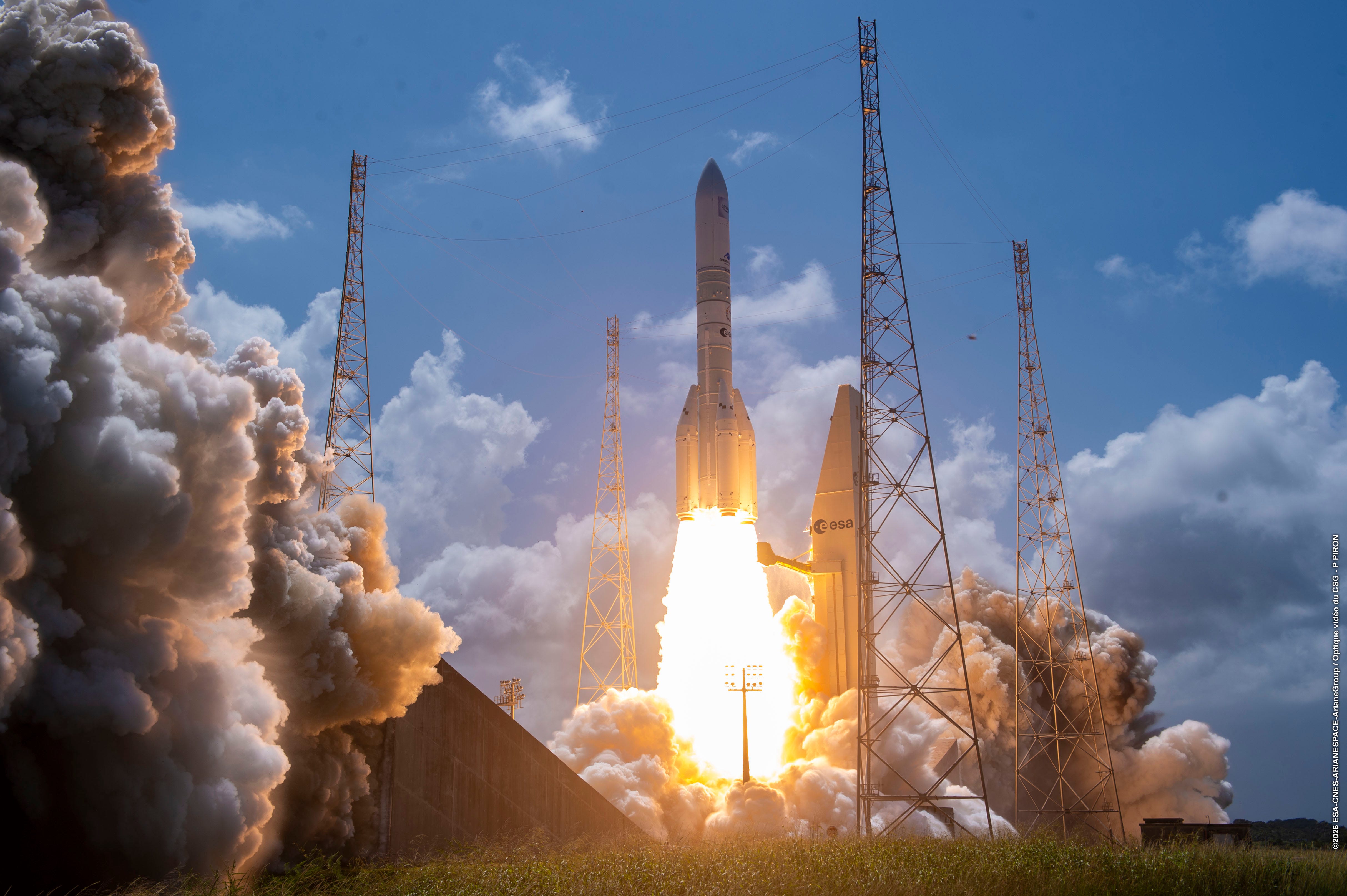
In the meantime, there’s plenty of other launchpad action underway. The Ariane rocket I mentioned earlier? The most powerful version of it launched successfully for the first time yesterday, as did a Vulcan rocket delivering satellite payloads. China also demonstrated its latest Long March booster this week. Just this morning, a SpaceX launch saw 4 humans head to the International Space Station. And the Artemis II mission, the first to see humans head back to the Moon in over 50 years, is poised for a March launch.
So overall, there’s plenty going on in space, but Scotland’s ambitions to play even a small role in that have definitely taken a knock this week. It’s not the first time and it won’t be the last. What this means in the longer term seems uncertain – but what do you think?