

Celestial navigation
Space + 2026
Another year, another 940 million kilometres around the Sun.
I do find the marking of the new calendar year to feel somewhat arbitrary, especially since living so far north. It’s not related to any noticeable seasonal change, and so we have to just somehow manifest new enthusiasm and energy for a different number on the page, while everyone is still broke from Christmas or too cold to go anywhere.
However, in the spirit of welcoming 2026 with as much positivity as one can muster, here's a quick update from Space+ HQ for all you lovely followers.
What’s happening in Space?
There are better websites to visit for a fully comprehensive overview on the latest space news, but some of the major developments that’ll certainly impact us in the coming year include:
Jared Isaacman becoming the new NASA administrator – at a time when the agency has come under increased scrutiny and had its budget slashed. The appointment seems to have been welcomed by most, but what’s actually possible in the current political climate remains to be seen.
Artemis II’s planned February launch, which would see humans heading back to the Moon for the first time in decades. This mission won’t land on the surface, but it’ll be instrumental in building up to that in a future mission. With a long list of ifs, ands or buts already delaying the Artemis program, this is another ‘wait and see’ moment. In the meantime, China will be sending yet another lander to the surface, this time to scout for resources at the south pole.
the suspension of all crewed flights from the Baikonur Cosmodrome after the launchpad was damaged. This is
another blow to Russia’s presence in space and may accelerate the end of the era of international collaboration that the International Space Station brought about.
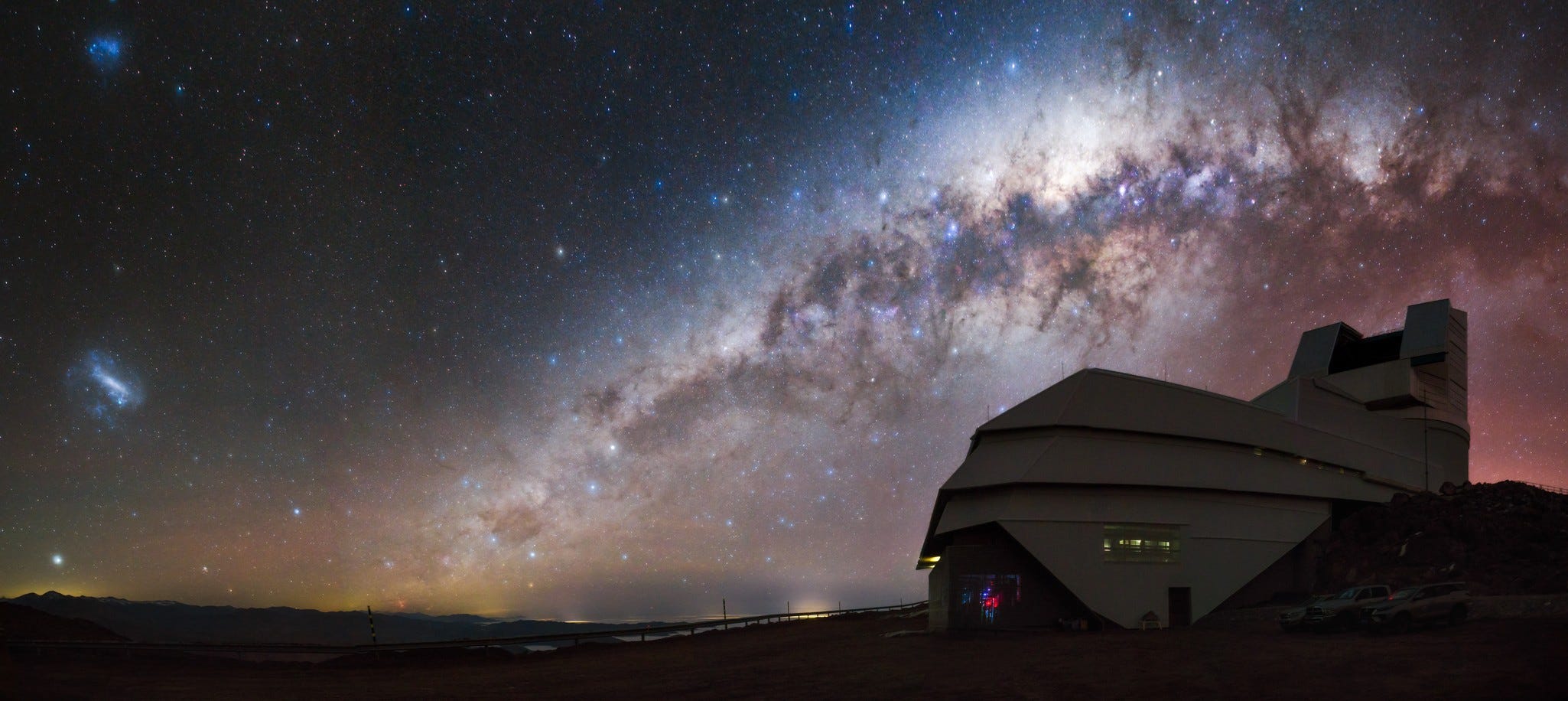
the Vera C. Rubin Observatory coming online and providing us with unprecedented images of the skies, which will no doubt help to uncover new astronomical discoveries.
the ongoing research into what the Perseverance rover is uncovering on the surface of Mars. With tantalising details emerging that could indicate ‘biosignatures’, we may be closer than ever to the big question of whether alien life really exists.
the continued growth of the commercial sector – which will see many more Starlink satellites going into orbit, continuing to ruin ground-based astronomy and contribute to a growing space junk problem, as well as the launch of the world’s first commercial space station, plus much more.
What’s happening with Space+?
This platform was started around a year ago, driven by the simple desire to get back into writing, and explore a growing fascination…
I absolutely intend to continue doing so. I’ve only just begun to scratch the surface of exploring all the ways in which space plays a role in the everyday lives of us Earthlings. There are more long-form interviews planned, as well as more bite-sized formats to come.
If the first season of content was mainly focused on understanding the state of the space sector as a whole, then this year will start to focus on what’s going on immediately around me in Scotland, as we get ever closer to hosting our own orbital launch.
But we’ll also continue to explore the wider implications of human activity in space; how space activity impacts other disciplines; and what the world of speculative fiction can tell us about imagining our future in space.
What else will Space+ be doing?
While this platform will continue to publish ‘original’ Space+ content, there is also plenty of other excellent stuff out there on the world wide web. But wading through increasing amounts of AI slop can be tiresome, especially for those looking to satisfy a genuine curiosity about space that’s grounded in science. (Anyone who’s tried to research reliable information on Comet 3I/ATLAS, for example, will know what I mean.) So, Space+ will also become a bit of a human-powered recommendation engine, highlighting other sources of trustworthy and insightful content that aligns with what we’re all about.
What about Space+ events?
There will be more in-person events in 2026. They may take a similar form to our first event – a Jeffersonian-style dinner – or morph into something new…
One date to keep in mind for now is April 12th – this day will be marked around the globe with a series of parties known as Yuri’s Night, celebrating Cosmonaut Gagarin becoming the first human in space 65 years ago. Some form of Space+ collaboration will take place around then, with more details to be revealed soon. And if anyone reading this is particularly interested in working with me on this, do get in touch!
With all that said, there’s a lot to look forward to in 2026. I wish you all the best for the year ahead, and thanks for subscribing to this small corner of the internet.